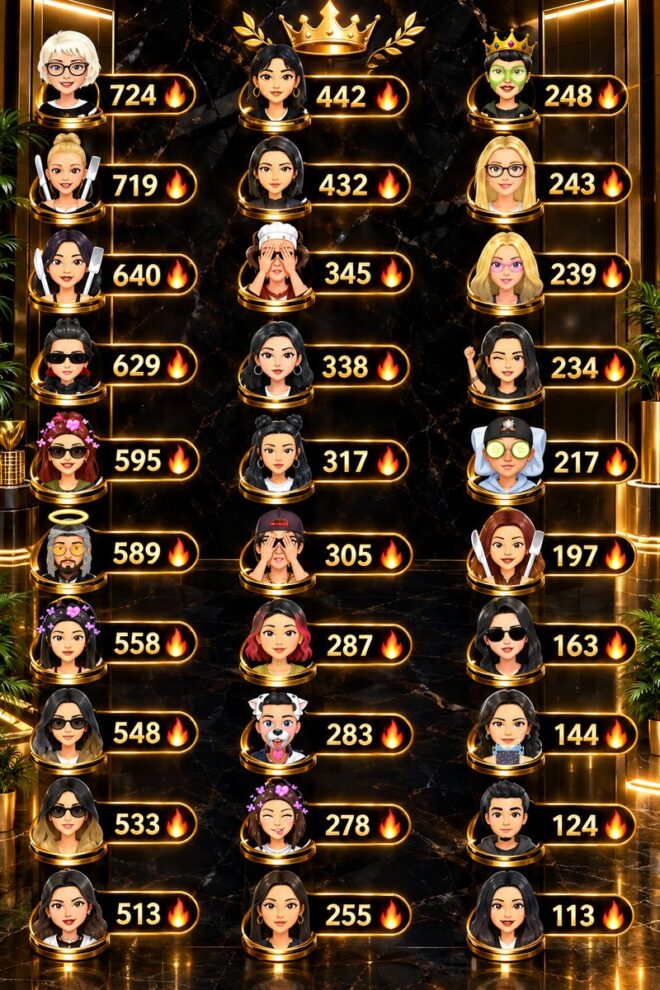
When I was in my twenties, a night out usually meant a pub, a few beers and a chat over a pint. Fast forward to 2024, and a handful of taps on a phone can replace the whole outing for many. I’ve seen friends swap a weekend at a local bar for a multiplayer match that lasts three hours, with the same laughs and the same sense of camaraderie.
From Casual Quests to Competitive Clans
Take Clash Royale or Among Us as examples. In the last year alone, the UK player base for these titles grew by 12 %. That surge isn’t just about numbers; it’s about how people use the games as social hubs. Instead of meeting face‑to‑face, friends now coordinate raids, share strategies in group chats, and even celebrate victories with in‑game emojis that feel as personal as a clink of glasses.
What’s striking is the level of commitment. A study from the University of Leeds found that 37 % of players who started the year as casual participants became regulars by the end of 2023, spending an average of 1.8 hours daily on multiplayer titles. That’s comparable to a typical evening out.
Bridging Generations and Geographies
Mobile gaming is not just a trend for the young. In 2022, 42 % of UK adults aged 45‑54 reported playing at least one mobile game weekly. The appeal lies in accessibility: a simple download, a quick tutorial, and you’re in. Older players often use games as a way to stay connected with grandchildren who live abroad, sharing in‑app messages and co‑playing across time zones.
Geographically, the spread is impressive. In rural areas where social venues are sparse, a shared gaming session can become the new community gathering spot. In London, a group of friends in a cramped flat might play a cooperative game while sharing a pizza, turning the living room into a virtual pub.
The Social Toolkit of Mobile Games
- Chat overlays – Built‑in voice and text chat allow instant communication without leaving the game.
- Cross‑platform play – Players on iOS, Android, and even PC can join the same match, widening the social circle.
- Event calendars – In‑app schedules let friends sync up for tournaments or special in‑game events.
These features have made it easier than ever to maintain friendships that would otherwise drift apart. The average friendship lifespan in the UK has increased by 5 % among gamers, according to a 2023 survey by the British Gaming Association.
When Gaming Meets Everyday Life
It’s not just about playing; it’s about sharing moments. A friend’s victory screen can be shared on social media, sparking a friendly debate that lasts hours. A shared leaderboard becomes a source of friendly rivalry, and a team’s progress is a collective achievement that feels just as rewarding as a real‑life accomplishment.
Beyond the Screen: The Broader Impact
Mobile gaming’s social influence extends into the workplace. Many companies now host internal tournaments to boost team morale. In 2023, 18 % of UK firms reported a measurable increase in employee engagement after introducing a company‑wide gaming challenge.
Education is another arena. Teachers use game‑based learning apps to create collaborative projects, turning the classroom into a dynamic, interactive space. A pilot program in Manchester schools saw student participation rise by 23 % after incorporating mobile games into the curriculum.
When the Line Between Gaming and Entertainment Blurs
It’s not uncommon for a gaming session to segue into a broader entertainment experience. A group might finish a game and then switch to a streaming platform or an online forum to discuss strategies or upcoming releases. In this fluid environment, the boundary between gaming and other forms of digital leisure becomes increasingly porous.
For instance, after a long night of multiplayer battles, a few friends might head over to https://www.mobilescratchrepair.co.uk to catch up on the latest tech tips, blending their gaming enthusiasm with practical device care.
Looking Ahead
As 5G rolls out across the UK, latency will drop further, making real‑time multiplayer even smoother. Developers are already experimenting with augmented reality overlays that could bring physical spaces into the game world, creating hybrid social experiences that blend the real and virtual.
In short, mobile gaming isn’t just a pastime; it’s reshaping how we connect, celebrate, and even work. The next time you hear someone say they’re “just playing a game,” remember that behind those pixels lies a vibrant social network that’s as real as any pub or café.
One thought on “Mobile Gaming Is Redefining How We Hang Out in the UK”